
VINES – #3 in a series on Lessons from Things that make up Nature
A couple years ago – we blazed, cut, cleared a trail behind the church. About a half mile loop that takes you through some old hardwood, crossing several small creeks, passing by new pine trees that have filled in the old lumber trail, seeing junk left from homesteads over a century ago, and even takes you to an old overgrown cemetery that takes you back to the Civil War to about 70 years ago. (more on that later, it’s a creepy tale to say the least!)
We even designed a little gathering area and put up a cross.
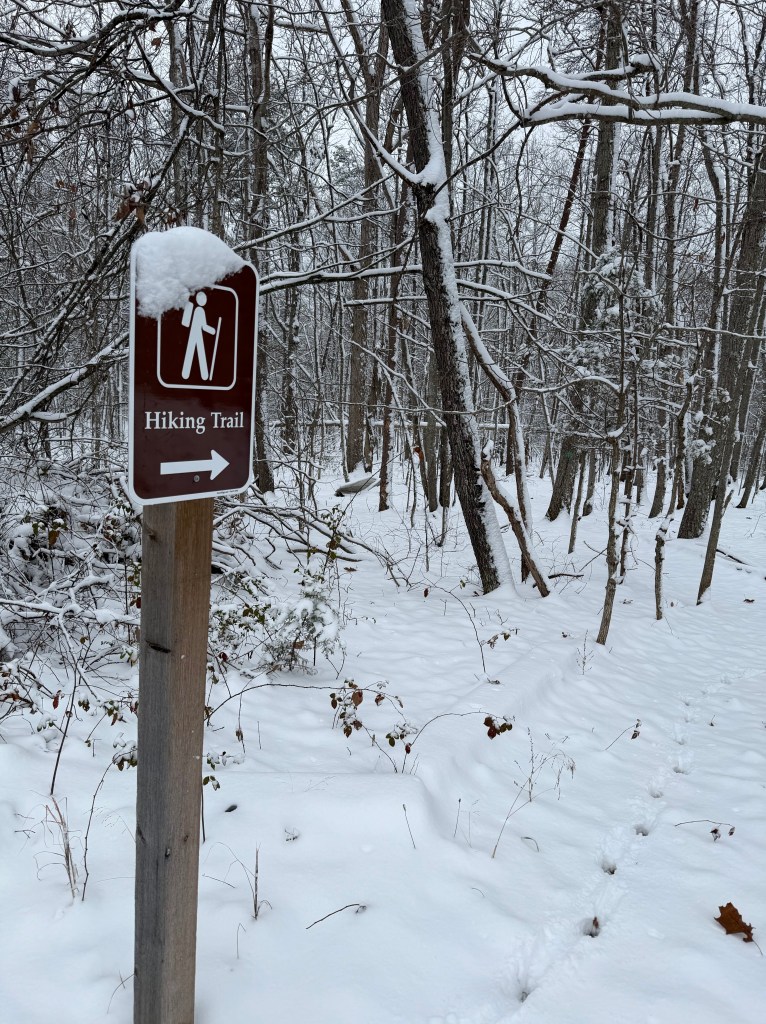
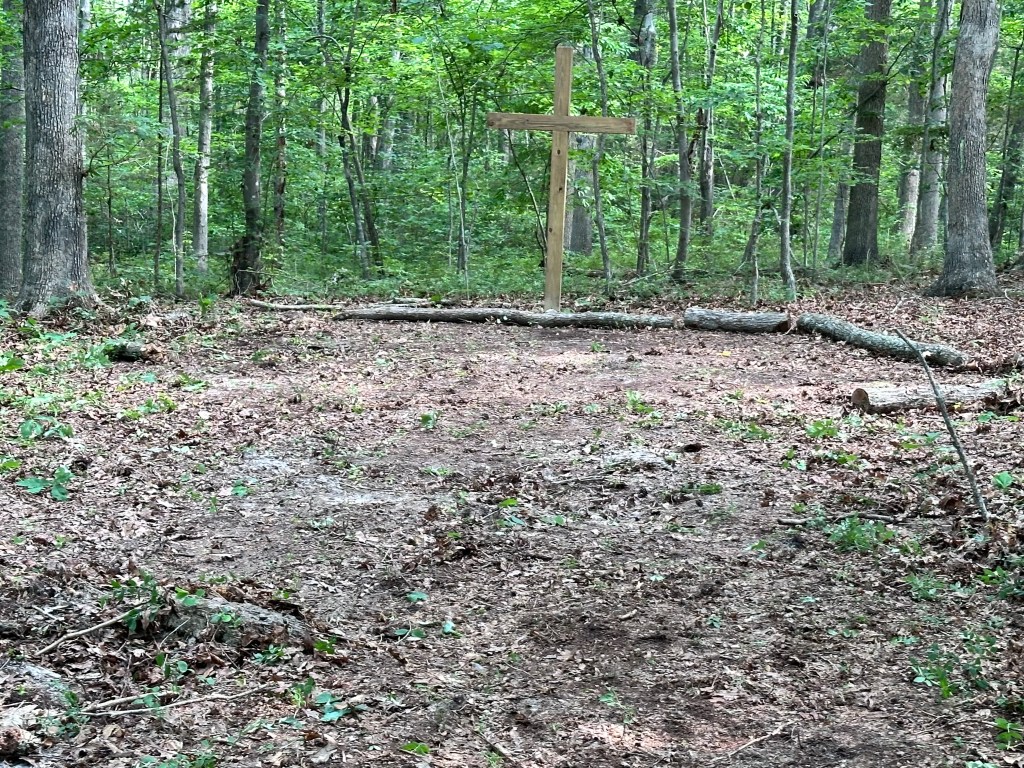
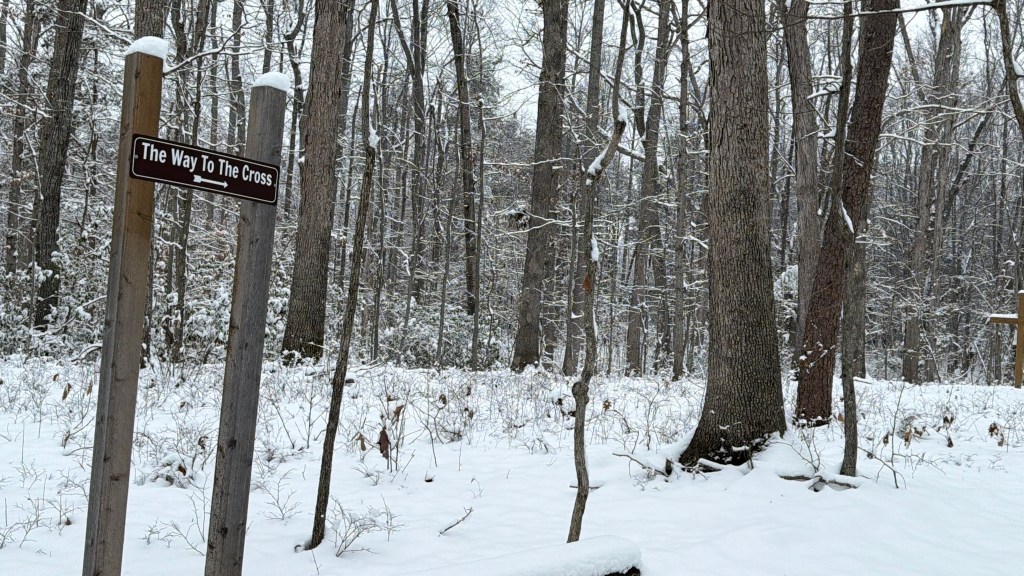
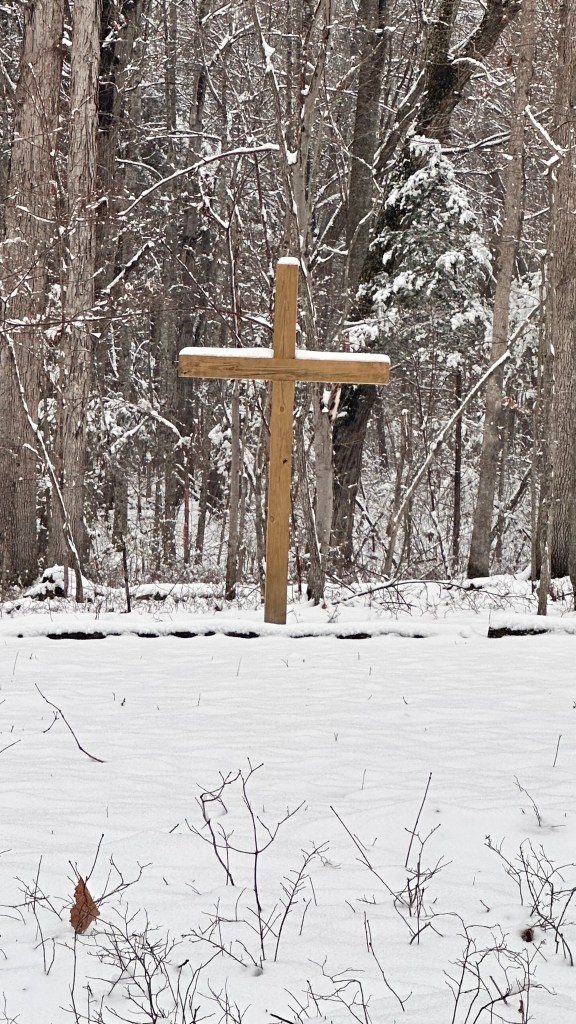
This trail has various areas I have labeled in my mind to help me know where something needs to be addressed. There’s the leaning trees, the tree grave yard, the railroad waterway (an old water pipe from a pond to the spot where they used to fill steamers … underground but the path is obvious), Grand Central Station (where the path takes four directions – leading to the cemetery/the exit/finishing the loop/or back the way you came), the path of the pines and more. Too much info, back to the point.
Well, I got back to the trail to clear it from the grassy and vines overgrowth. it had been a season or two since I’ve gotten to the back area, including the cemetery. The grass in some areas was a foot or more. Vines had begun to retake the path.
So I got out there, cut it down, and am clearing the path again little by little.
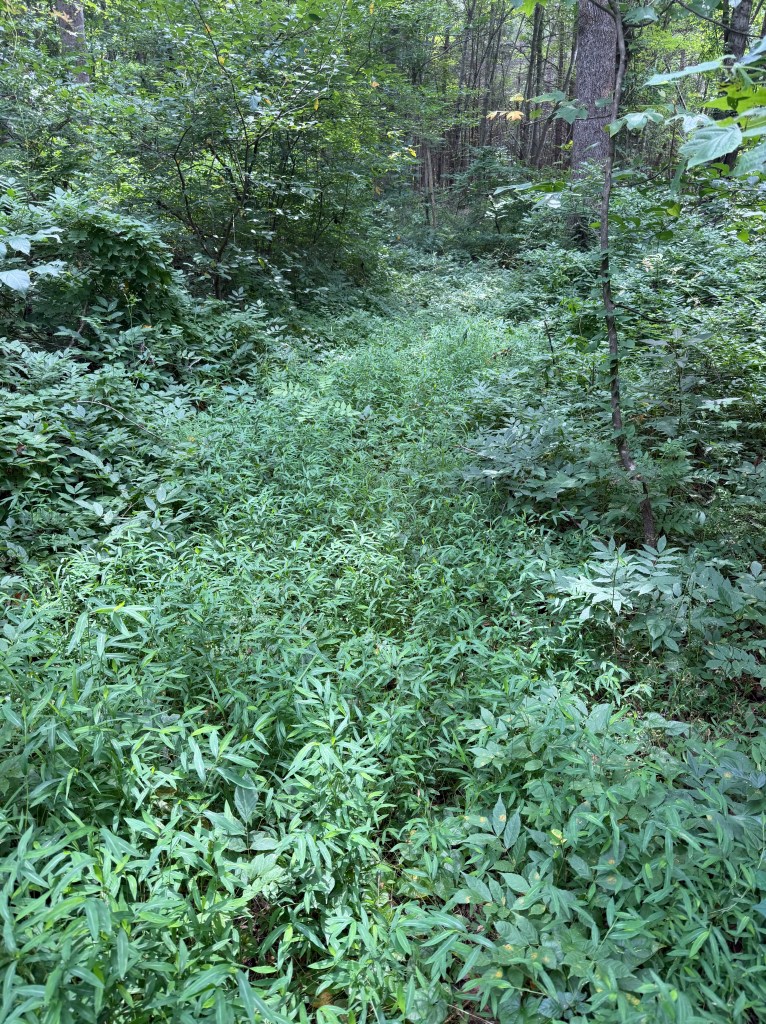
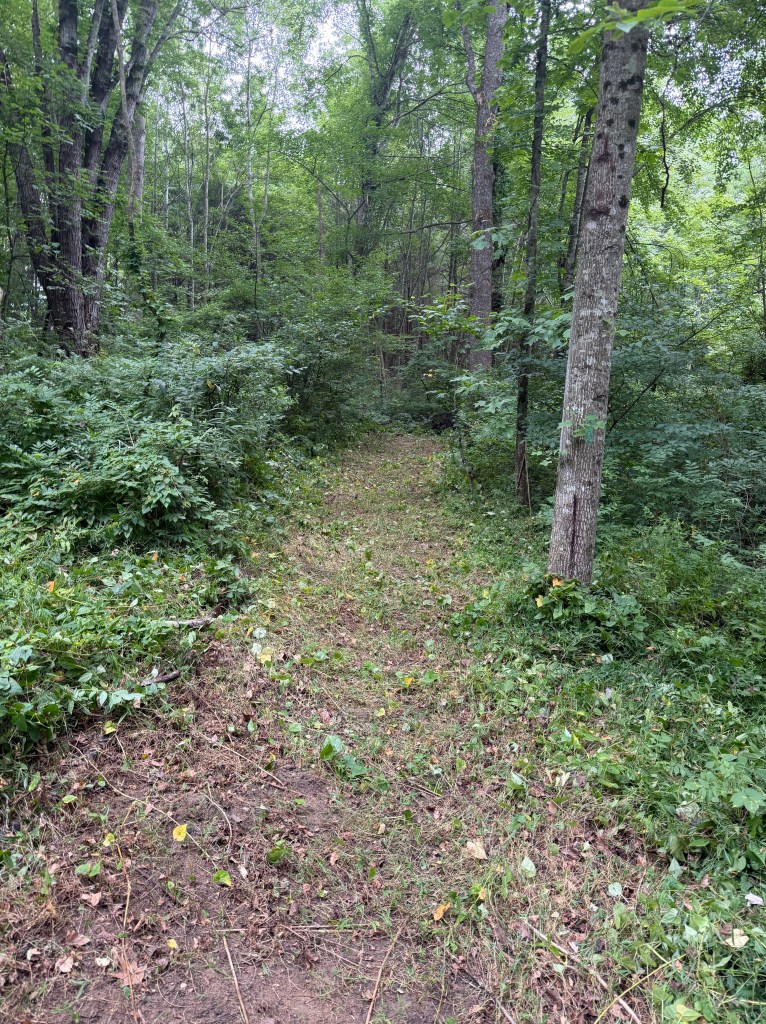
But one particular nuisance is there …. Parthenocissus Quinquefolia. Okay … too much? From the Latin, this is basically “Virgin Kisses” with “Five Leaves” … it’s amazing what Wiki teaches us. This means little to me, but was interesting. Why ‘virgin kisses’? Some say the name seems to derive from the ivy’s ability to form seeds without pollination,
Interesting.
Commonly, this Parthenocissus Quinqueguallafoloalopalooza (or whatever), is called the Virginia Creeper. And creep it does. The grass grows and is thick, but is easily scythed down. Yet the Virginia Creepers crisscross the path, causing trippage, and thus, a hazardous nuisance.
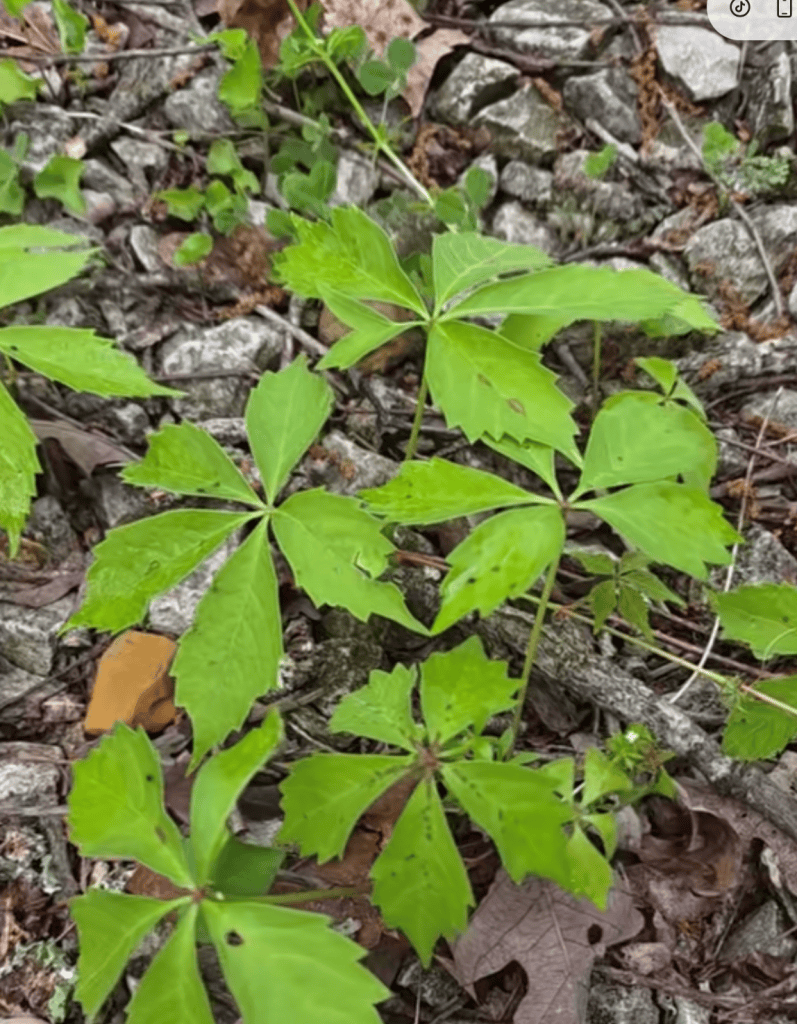
They are not removed easily. They grasp unto the ground and surrounding trees.
You have to get under it and pull or cut or yank. You have to determine which side the creeper came from so that you can stop the encroachment. It rapidly grows up to feet long.
I also learned it grows small berries that are eaten by small mammals and birds … but are poisonous to humans. Weird. And the sap, oil from the plant can be like that from poison ivy, just not as toxic.
From a obnoxious plant, what can we learn?
here are some lessons to this …
- Creepers seem to appear out of nowhere and grow fast and far … and as the Bible warns us, we are not to give the devil a foothold. The best way to get rid of Creepers is to not let begin in the first place. Stay vigilant, stay proactive on striving to live a noble and Good-honoring life.
- Creepers are not the easiest to get rid of … One horticulturist say eradication is often and unachievable goal. But if things in our life seem hard … we need to stay at it, grind the vine down to the roots, and stay at it. (yes repeated for emphasis)
- Creepers can be smothering … they can grow and block sunlight. They can gasp with an adhesiveness that can also be dangerous. So we can also help other parts of nature by helping ourselves in getting rid of overgrowth.
- Creepers are toxic to humans – not as volatile as poison ivy, but still toxic. It’s oils stick to your skin and can be agitating.
So, even an irritating little plant can teach us a life lesson.
 muddyshoes.org
Leave a comment